
Buying custom metal stamping for the first time involves more than comparing prices for finished parts. The tooling that makes those parts is central to the purchase, and its cost and upkeep deserve attention from the start.
What custom metal stamping is and where it fits
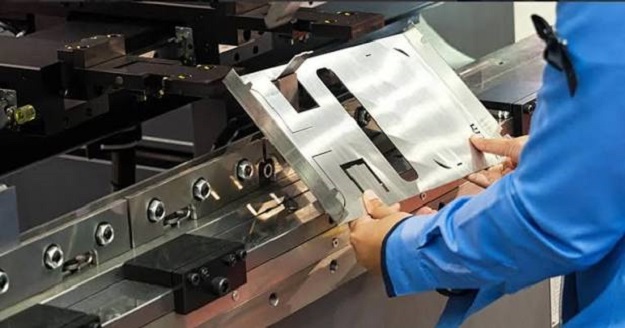
Custom metal stamping uses matched dies in a press to cut and form sheet metal into finished shapes. Depending on the part, the tooling may cut a blank, punch holes, bend flanges, or draw the metal into a deeper shape. These operations can occur separately or be combined in a die set.
One common setup is progressive die stamping, where a coil-fed strip moves through stations and a part comes off at the end. Other jobs run as single-stage work, with blanks moved between presses. Part size and shape help determine the choice, along with volume.
Metal stamping tends to make sense when a design is stable and the same part will be ordered again and again. Machining or laser fabrication is often used for quick changes and very small lots. Stamping earns its keep through repeatability once the die is proven.
The die is the purchase, parts are the payoff
New buyers often focus on piece price and are surprised by the tooling quote. A production die requires design, fabrication, assembly, and tryout. Depending on the tooling, that work may include machining and heat-treating tool steel, then adjusting the die until trial parts meet the drawing.
That upfront cost is why piece price and tooling need to be weighed together. Tooling amortization spreads the die cost over the expected run, so cost per part can fall as volumes climb and the press runs with little downtime. A cheap die that needs constant adjustment can undermine those savings.
Ask about tooling ownership up front. Some suppliers include maintenance and storage in the piece price, while others bill it separately. Get in writing who owns the die and who pays for sharpening and rework. Clarify what happens if the program moves. Those terms can matter more than a small gap in piece price.
Dies don’t forgive guesswork.
How to size up a supplier before you send files
A good stamping supplier can act as an engineering partner, helping resolve production questions before tooling begins. Look for clear answers and documented process controls on parts close to yours in size and tolerance needs.
Start with the quality system and equipment. ISO 9001 certification indicates an audited quality management system, not approval of an individual part. Ask whether the certification covers the relevant facility and work. Press capacity and inspection methods help establish whether a shop can produce and check the part. Ask which measurements require a coordinate measuring machine (CMM) and how in-process checks work. For automotive applications, ask about Production Part Approval Process (PPAP) requirements.
When reviewing suppliers such as AMG Industries, use the same drawings and volume assumptions for each quote. Don’t judge on price alone. Ask how design issues get flagged and what happens when dimensions drift in production.
Materials and tolerances drive cost more than you think
Material choice shapes everything downstream. Common options include cold-rolled steel, aluminum, and stainless steel. The right grade depends on the part’s strength, corrosion resistance, weight, and forming requirements. Thicker stock and harder tempers can be more difficult to form, and springback also needs attention after the press opens.
Springback is the elastic recovery that pulls a bend away from the die shape once pressure releases. Die designers compensate for it, but there’s a limit to how tight the result can be held without extra steps. That’s why tolerance calls deserve care.
Identify function-critical dimensions and specify suitable general tolerances for the remaining features. Avoid applying the tightest tolerance to every hole and flange unless the design requires it.
Tight everywhere means expensive everywhere.
A design for manufacturability (DFM) review helps catch these problems before tooling is made. It examines features such as bend radii and hole-to-edge distances. Resolving a forming problem in the design generally avoids the machining, testing, and potential delays involved in changing completed tooling.
Don’t Miss –
Scaling Online Stores: How Transitioning to a Triple Whale Alternative Improves Profit Margins
What a good RFQ package includes
A clear request for quote reduces avoidable back-and-forth. Include a 3D CAD model plus a 2D drawing with datum structure, material grade and thickness, estimated annual volume, and any finish or deburr needs. State which dimensions are truly critical and how they will be measured.
Ask direct questions about process and quality. Have the supplier explain how the die is engineered and tried out. How are first articles checked and how are dimensions monitored across the run? The answers reveal far more than a unit price.
Prototypes and soft tooling can help validate form and fit before production tooling is made. However, a prototype made by a different process does not establish production capability. Differences in tooling and forming methods can affect springback and flatness, so plan to evaluate parts made with the intended production process.
Agree on approval requirements before authorizing routine shipments. Automotive customers may require PPAP submissions; other customers may specify first-article inspection reports and sample approval. Define who accepts the parts, what records are required, and how later design or process changes will be reviewed.
First-time success in metal stamping starts with clear inputs and direct questions. Define the part and account for what the die has to do. Pick a supplier that explains trade-offs in plain terms.
