
Customer retention turns one-time transactions into predictable revenue, yet many operators still spend far more energy acquiring new buyers than giving existing ones a reason to return. Acquisition can create a visible spike in traffic, but repeat behavior determines how much value that traffic produces.
Effective customer retention strategies connect convenience, relevant communication and consistent service. When those elements work together, customers return more often and require less persuasion each time.
The Illusion of Pure Volume Growth
High transaction counts can hide serious weaknesses. A restaurant might serve 10,000 guests this month, celebrate a 12% increase and still lose revenue potential if most of those people never return. The same problem appears in convenience retail when promotional traffic disappears as soon as a discount ends.
Acquisition also becomes less efficient when a business constantly replaces departing customers. Operators should compare new-customer growth with repeat purchase rates, order frequency and customer lifetime value. Those measures reveal whether higher volume reflects stronger relationships or temporary demand.
Segment the numbers by customer cohort. Compare people who made their first purchase in January with those acquired in February, then track how many return within 30, 60 and 90 days. This approach exposes patterns that a total sales report misses. If repeat activity drops after the first month, the business may have an onboarding, value or communication problem. Growth looks healthier when each new cohort returns more consistently than the one before it.
What Friction Costs Your Bottom Line
Small inconveniences often produce measurable losses. A customer may abandon an order because account creation takes too long, a reward fails to appear or the checkout page asks for information that the business doesn’t need. Each issue creates another reason to choose a competitor next time.
Map the full customer experience from discovery through the second purchase. Operators evaluating B2B consumer loyalty tactics should pay particular attention to digital ordering, personalized offers and loyalty enrollment because these touchpoints influence both convenience and future engagement.
Use support tickets, app reviews and abandoned-order data to locate recurring trouble. Then test one fix at a time. For example, allowing guest checkout may raise completed orders, while showing reward progress before payment can encourage enrollment without interrupting the transaction.
Frontline employees can also identify friction that dashboards miss. Ask them which questions customers repeat and where delays occur. A confusing redemption rule that takes two minutes to explain may be costing more than its reportable error rate suggests.
Incentives That Drive Habitual Purchases
Useful incentives give customers a clear reason to return within a realistic period. A reward that takes six months to earn feels distant, while a benefit available after two or three visits creates visible progress. The timing should match normal purchase behavior. A weekly lunch customer needs a different cadence from someone who buys fuel and snacks several times per week.
Start with a simple earning structure that customers can understand without reading detailed terms. Points, visit-based rewards and personalized offers can all work when the value is obvious. Personalization should rely on demonstrated preferences. If someone regularly orders vegetarian meals, an offer tied to that category will usually feel more relevant than a broad discount.
Protect margins by rewarding behavior that adds value. An operator might offer bonus points during a quiet afternoon period, encourage an add-on item or provide early access to a seasonal product. Test incentives against a control group whenever possible. If both groups return at the same rate, the offer may be subsidizing purchases that would have happened anyway.
Habit grows through consistency. Rewards must be posted quickly, redemption should require fewer steps and staff members need to understand the program.
Metrics Every Operator Should Track Daily
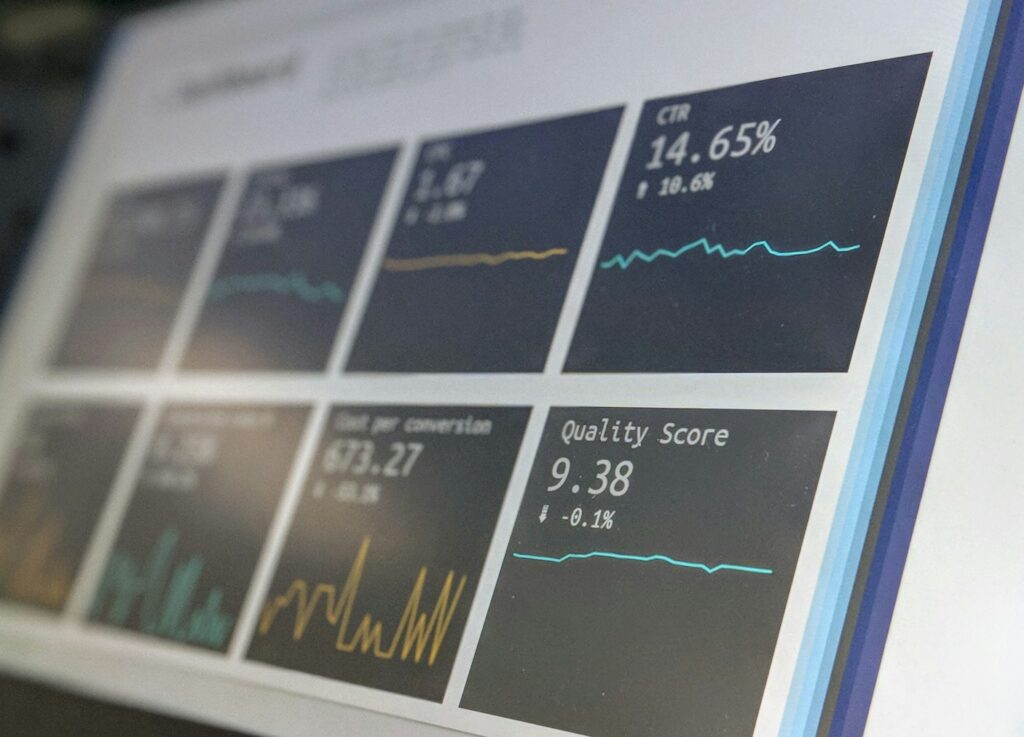
Daily monitoring helps teams catch problems before they become monthly trends. A practical dashboard should focus on numbers tied to customer behavior, not a long collection of vanity metrics.
Track these measures consistently:
- Repeat purchase rate, segmented by location and customer cohort
- Average order value for members and nonmembers
- Purchase frequency over 30, 60 and 90 days
- Reward enrollment, earning and redemption rates
- Digital order abandonment and completion rates
- Offer activation, incremental sales and margin impact
Context matters. A rising redemption rate can signal strong engagement, but it may also expose an offer that’s too generous. Compare it with order value, visit frequency and contribution margin before deciding that performance has improved.
Teams building a dashboard can also review these essential growth metrics for startups for a useful framework on retention, acquisition costs and lifetime value. Assign each metric an owner and a response threshold. If order abandonment rises three percentage points, for example, the digital team should know when to inspect checkout performance.
A retention program becomes operational when the daily numbers trigger specific action. Watch what customers do after their first purchase, remove the friction blocking the second and reserve incentives for behavior that creates lasting value.
