
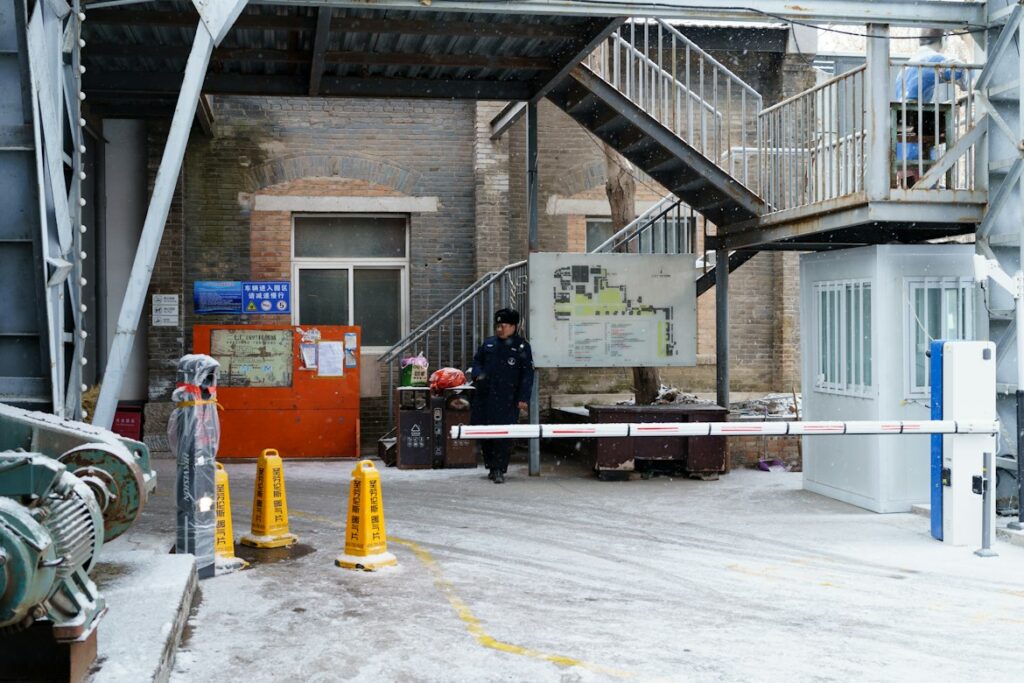
Facility entry points can quietly drain operating budgets when aging gates require constant attention, repeated repairs or manual handling. The direct repair bill tells only part of the story. Delayed deliveries, interrupted workflows and staff pulled away from skilled tasks can cost far more over time. Similar patterns appear in the hidden costs of legacy systems, where recurring workarounds make outdated infrastructure increasingly expensive to keep.
A practical review should examine labor, traffic flow, safety and maintenance together.
Evaluating Real Labor Lost to Gate Duty
Start by recording every task associated with each entry point for two to four weeks. Include opening and closing time, visitor checks, lock handling, fault reporting and the minutes spent waiting for a gate to move. This creates a realistic labor figure instead of relying on repair invoices alone.
Suppose an employee spends 12 minutes operating a gate during each of six daily delivery windows. That equals more than six hours per week, before delays or breakdowns are counted. Multiply those hours by the employee’s full labor cost and the annual impact becomes clear.
Also note what work stops during gate duty. A technician who leaves a production area may interrupt inspections, inventory checks or scheduled maintenance. Those lost tasks should appear in the cost review.
Modernizing Points of Ingress and Egress
Map how employees, visitors and service vehicles move through the property before selecting an upgrade. Record peak traffic periods, available clearance, gate weight and the frequency of access. A busy distribution entrance may need a different operating system from a secondary service entrance used twice a day.
Installers, welders and fabricators evaluating automatic gates and gate hardware should match motors, frames, rollers and accessories to the expected duty cycle and site conditions. Compatibility matters because a powerful motor won’t correct a misaligned frame or worn track.
Modernization can also support access logs, scheduled opening periods and remote fault alerts. Current construction industry trends show how technology and long-term asset performance are becoming more closely connected. Plan electrical supply, drainage and network coverage early so the finished system doesn’t depend on improvised additions.
Safety Protocols for Moving Barricades
Treat every moving gate as powered equipment with a defined operating zone. Keep the travel path clear, mark areas where people should not stand and prevent stored materials from blocking sensors or tracks. Staff should know who can operate the system and how to report unusual movement, noise or delayed response.
Test safety devices on a documented schedule. This includes presence sensors, warning indicators, emergency releases and stopping functions. If a gate strikes an object during a test or continues moving after a sensor activates, remove it from normal service until a qualified technician assesses it.
Manual handling needs controls too. Large gates can roll unexpectedly on sloped surfaces or move under wind pressure. Written procedures should cover secure positioning, communication between workers and isolation during repairs. Never allow routine access pressure to override a known fault.
Building Lifecycle Maintenance Plans
Create an asset record for every entry point, including its installation date, model details, duty rating and service history. Add photographs of the track, hinges, guides and surrounding pavement. These records help maintenance teams spot gradual changes that may be missed during daily use.
Set inspection intervals according to traffic and environmental exposure. A high-cycle entrance may need monthly checks, while a lightly used internal gate may suit a quarterly schedule. Look for loose fasteners, corrosion, damaged cables, worn rollers, debris buildup and changes in alignment. Drainage issues deserve attention because standing water can damage components and undermine nearby surfaces.
Use repair history to set replacement thresholds. Three callouts for the same fault within a year may justify planned renewal. A scheduled shutdown is usually easier to manage than an unexpected failure during a delivery peak.
Outdated entry points become expensive when small delays and recurring faults are accepted as normal. A facility manager who tracks operating time, fault frequency and service costs can identify the exact point where continued repair stops making financial sense. That evidence supports a replacement schedule tied to actual site performance, not guesswork.
