
A connected home can lose much more than lighting during a power outage. Wi-Fi routers, security sensors, smart locks and heating controls may all go offline at once, while automated routines stop working as expected. Some devices recover on their own when electricity returns, but others need manual resets or updated schedules.
Preparing for an outage starts with identifying the systems that matter most, then matching those needs to a suitable backup supply and a clear failover plan.
Smart Devices Demand Constant Supply
Smart home products often draw little electricity individually, but they depend on a chain of powered equipment. A connected doorbell may need the router, modem and a cloud connection before it can send alerts. Smart bulbs might still work from a wall switch, while app controls remain unavailable until the network restarts. Homeowners can also explore these home security gadgets to strengthen protection around their properties.
List every device that supports security, communication, refrigeration or temperature control. Record its wattage and expected runtime, including supporting equipment such as network switches and hubs. The whole-home backup overview explains how newer systems can maintain power during extended outages. Also check which devices retain their settings after shutdown and which ones require manual attention.
Backup Generators vs Modern Cells
Backup generators can supply high-demand appliances for long periods when enough fuel is available. They also produce noise, require regular servicing and must operate in an appropriate outdoor location. Correct sizing matters because motors in pumps, refrigerators and air conditioners can briefly draw far more power during startup. This guide to generator selection and sizing outlines factors that affect residential planning.
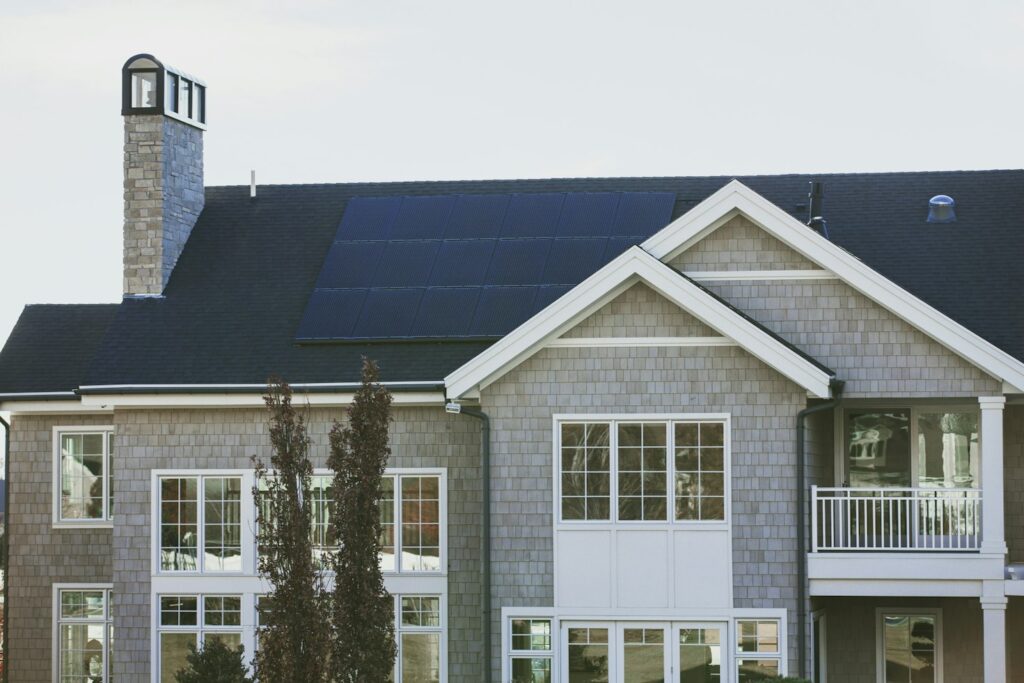
Battery storage responds almost instantly, runs quietly and can pair with rooftop solar. Homeowners in Canberra and surrounding areas considering solar batteries should discuss usable capacity, output limits and blackout functionality with a qualified installer. Some systems need extra hardware to provide electricity when the grid is down.
Isolate Critical Circuits First
Trying to power every outlet can make a backup system larger and more expensive than necessary. Ask an electrician to group critical loads into a dedicated backup circuit or essential-load panel. Typical priorities include the refrigerator, selected lights, internet equipment, security devices and one outlet for charging phones.
Large heating and cooling systems need careful assessment because their startup demand can overwhelm smaller batteries. During a short outage, a fan or a single room unit may offer a more practical alternative. Label backed-up circuits clearly at the electrical panel so everyone in the household knows what will remain available. Avoid connecting portable equipment through improvised wiring, which can create electrical and fire hazards.
Test Failover Automation Regularly
A backup system is only useful if it changes over correctly. Schedule a controlled test every three to six months, following the installer’s instructions. Confirm that critical circuits stay powered, the internet reconnects and smart home routines resume. Open each major app and check device status instead of assuming a green indicator tells the full story.
Review notifications too. Battery reserve alerts, offline warnings and outage messages should reach a phone that still has mobile service. Keep automation simple during backup operation, since nonessential routines can drain stored energy. For example, pause decorative lighting, EV charging and automated appliance cycles until grid power returns.
Record how long the test lasts and how much battery capacity it uses. That figure gives you a realistic estimate for future outages and may reveal a failing battery, an overloaded circuit or a device that doesn’t restart properly. The best final test is straightforward: switch to backup mode and confirm that your router, refrigerator and key safety systems behave exactly as planned.
