
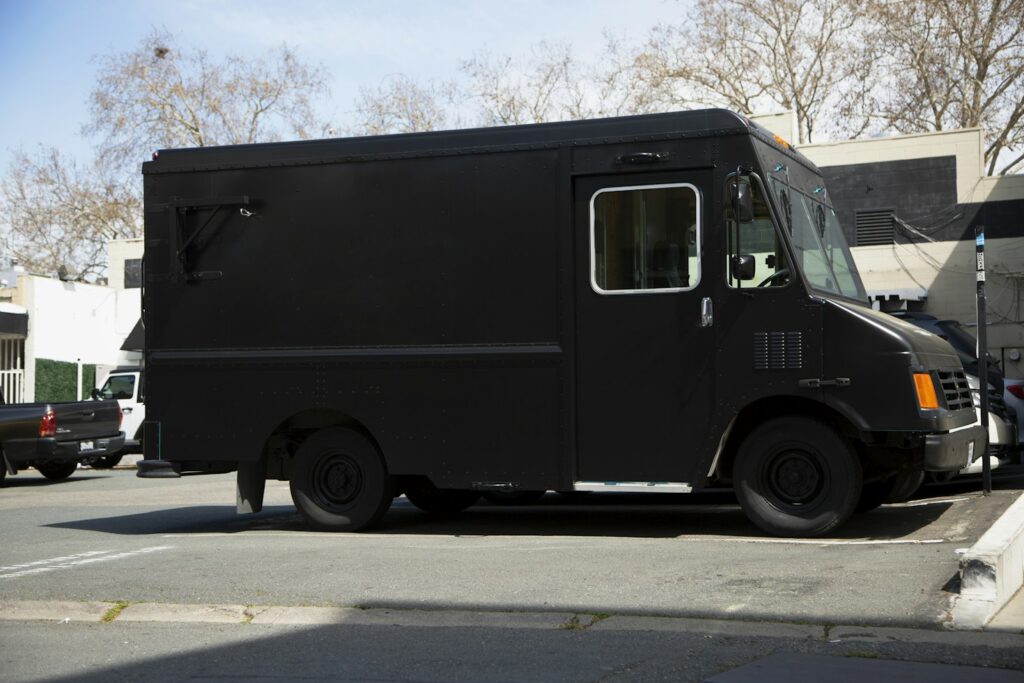
Work trucks often wear out early because their daily operating conditions exceed the limits of a standard factory setup. Rough access roads, heavy equipment, and frequent stops can strain suspension parts, tires, and the underbody long before the engine reaches the end of its useful life. Targeted upgrades can reduce that strain, but each modification should address a documented need and fit the truck’s actual duty cycle.
Assessing Demands on Commercial Fleets
Start with operating records instead of selecting upgrades based on appearance. Track payload weight, route surfaces, idle hours, tire replacements, and recurring repairs for each truck. A landscaping vehicle that crosses unfinished lots faces different demands from a service truck traveling mostly on pavement.
Inspection notes can reveal patterns. Repeated alignment problems may point to worn suspension parts or unsuitable ride height, while underbody dents suggest that clearance is inadequate. Guidance on commercial fleet upfits also highlights the value of matching equipment to daily work.
When route data confirms frequent contact with ruts or steep entrances, professionally installed Lift Kits may be an option to evaluate. Check load ratings, alignment needs, and driver access before approving any height change.
Critical Underbody Protection for Rough Roads
The lowest components under a work truck can take repeated hits from rocks, broken pavement, and job-site debris. Protective panels and reinforced covers help shield vulnerable areas, including the oil pan, transmission housing, and fuel tank. Choose parts designed for the truck’s exact model and configuration, since poor fit can trap heat or interfere with service access.
Protection also needs routine attention. During scheduled maintenance, technicians should check mounting points, remove packed mud, and look for bent panels or fresh contact marks. Those marks provide useful evidence about route hazards.
General truck lifespan practices reinforce the value of regular inspections and timely maintenance. A protective component only helps when it remains secure, and technicians can still reach filters, drains, and other service points.
Ground Clearance and Suspension Solutions
Ground clearance affects more than a truck’s ability to cross uneven ground. Ride height changes can alter steering geometry, driveshaft angles, braking behavior, and headlight aim. Before modifying the suspension, measure the truck when empty and at its usual working load. This exposes sagging springs and helps determine if worn factory parts need replacement first.
Fleet managers should consider load-support solutions when trucks regularly carry equipment near their rated capacity. Upgraded springs or load-assist components may reduce rear-end sag, but they don’t increase the manufacturer’s payload limit. Tires also require attention because larger sizes can affect gearing, speed readings, and stopping distance.
After installation, schedule an alignment and inspect the truck again after several hundred miles. Fasteners can settle during early use, especially on vehicles that travel over rough surfaces every day.
Calculating Return on Preventive Modifications
Compare the installed cost of an upgrade with the expenses it could reasonably prevent. Include repair invoices, towing charges, tire wear, and lost billable hours. For example, a $1,500 modification that prevents two $900 underbody repairs and one day of downtime may recover its cost within a year.
Use maintenance software or a simple spreadsheet to establish a baseline for each truck. Record costs for at least six months before the modification, then compare similar mileage and operating conditions afterward. Accurate digital asset records and maintenance histories can also help managers track service dates, repair expenses, operating hours, and recurring faults. Fuel use should be tracked too, since extra weight, altered aerodynamics, and larger tires can raise consumption.
Review results by vehicle instead of relying only on fleet-wide averages. A modification may deliver clear value on trucks assigned to rough sites while adding cost with little benefit to vehicles that stay on paved routes.
The best upgrade plan begins with the next scheduled inspection. Ask technicians to photograph wear points, measure loaded ride height, and flag repeated damage. Those details turn a general improvement budget into a focused plan tied to repair history and actual working conditions.
